
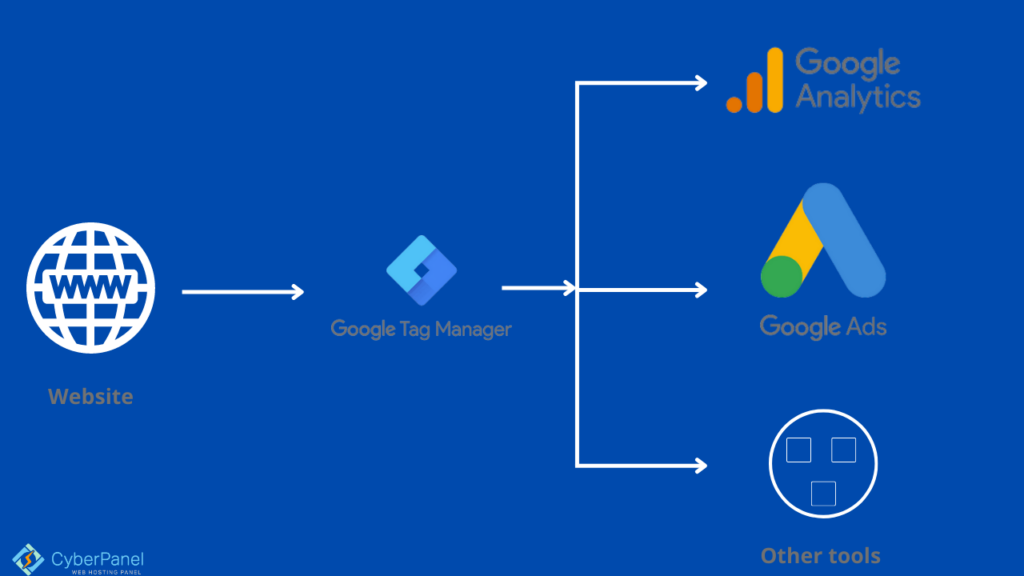
Google Tag Manager helps businesses manage tracking more efficiently, reduce implementation friction, and create a cleaner foundation for analytics and marketing data collection.
As businesses add more analytics tools, ad platforms, and conversion events, tracking can become difficult to manage without a centralized system. Google Tag Manager helps organize tracking logic, simplify implementation, and reduce the need for repeated hard-coded changes.
What You’ll Learn
- why GTM matters
- how it supports scalability
- why centralized control improves implementation
- how it helps maintain cleaner tracking operations
Centralized Tag Management
GTM gives teams a single place to manage tags, triggers, and variables across the website. This improves visibility and reduces tracking complexity.
Faster Tracking Updates
Instead of requesting repeated development edits for every small tracking change, teams can often manage updates more efficiently through a structured GTM setup.
Better Organization for Growing Businesses
As tracking requirements grow, organized tag governance becomes more important. GTM supports a cleaner framework for naming, testing, and maintaining events.
A Strong Foundation for Advanced Tracking
GTM also plays a major role in more advanced setups, including server-side tagging, custom event architecture, and measurement integrations across platforms.
Key Takeaways
- GTM simplifies tracking management
- centralized control improves efficiency
- clean tag organization supports scalability
- it helps prepare businesses for advanced tracking frameworks